
SDGs Pellet Carbon
for Phosphorus Recovery
- Item No.
- SDG-10
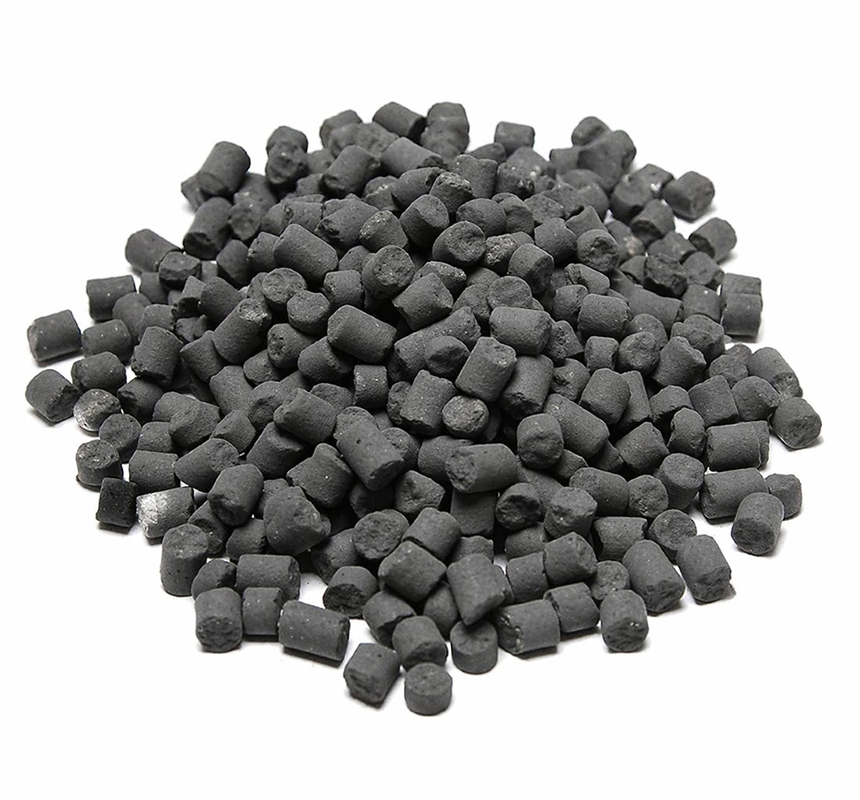
Biochar-Based Adsorbent for Wastewater Phosphorus Removal
SDG-10 is a sustainable functional carbon material made from biochar and ash
derived from woody biomass. It is specially formulated for phosphorus adsorption applications and
processed into an easy-to-handle pellet form.
Its properties differ from highly activated
adsorbents such as conventional activated carbon. Instead, SDG-10 is designed as a practical
material for water treatment applications focused on phosphorus reduction, phosphorus recovery, and
resource circulation in wastewater and agricultural drainage systems.
Features
- Suitable for Phosphorus Recovery Applications
- Can be used for reducing and recovering phosphorus contained in wastewater streams. Performance depends on water quality, concentration, and operating conditions, so prior evaluation is recommended.
- Easy-to-Handle Pellet Form
- Granular pellet form allows easier spreading, recovery, and filling operations. Suitable for sedimentation tanks, reaction tanks, and other water treatment systems.
- Supports Circular Resource Use
- Recovered phosphorus may have potential for reuse as a resource or fertilizer raw material, depending on local regulations and quality requirements.
- Balanced Sustainability and Cost Efficiency
- Made from recycled raw materials, aiming to combine environmental responsibility with practical affordability. Suitable for consideration in large-scale or continuous treatment systems.
Main Applications
- Phosphorus removal and recovery at wastewater treatment facilities
- Water quality improvement support for agricultural and aquaculture drainage
- Adsorption media for sedimentation and reaction tanks
- Pilot projects and treatment systems for phosphorus resource recycling
Data material(PDF)
-
Product technical sheet

-
Phosphorus
absorbing(original)
-
Phosphorus
absorbing(24 hours later)
-
Phosphorus
absorbing(7 days later)
-
Safety data sheet
Actual performance depends on phosphorus concentration, water chemistry, pH, contact time, flow conditions, and system design. Bench-scale or pilot testing is recommended before full-scale use.