
SDGs Pellet Carbon
for Soil Improvement
- Item No.
- SDG-3
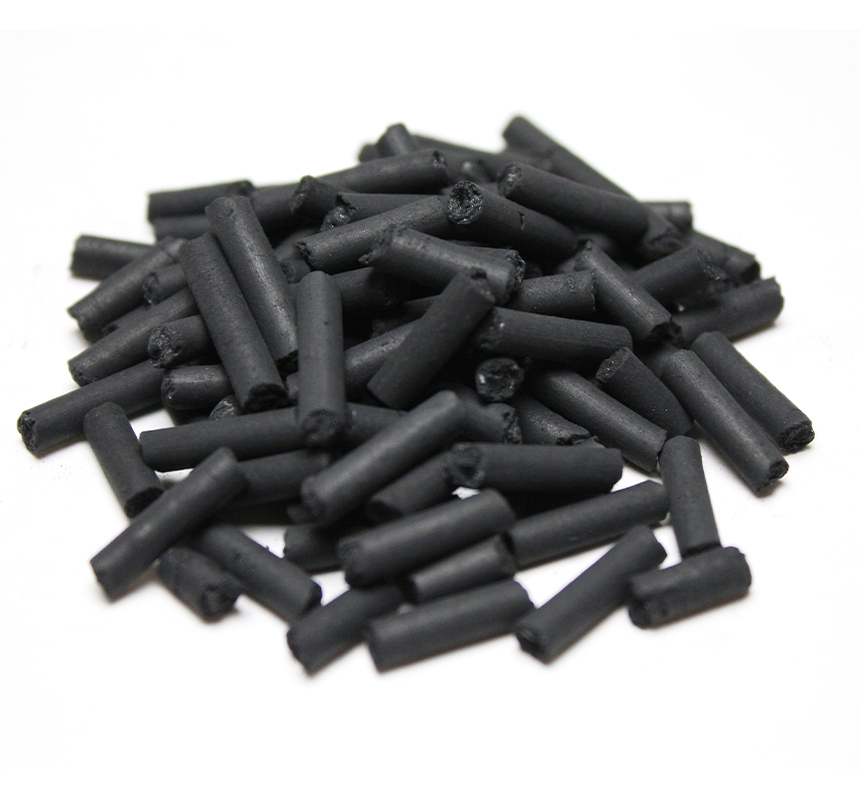
Functional Biochar for Soil Protection and Environmental Use
SDG-3 is a sustainable functional carbon material made from biochar derived from
woody biomass. It is processed into an easy-to-handle pellet form for soil improvement and
environmental applications.
Its properties differ from highly activated adsorbents such as
conventional activated carbon. Instead, SDG-3 is designed as a practical material that emphasizes
support for soil conditioning, odor and contaminant control, and ease of application in the field.
Features
- Supports Soil Improvement
- As a porous carbon material, SDG-3 can help improve soil aeration, water retention, and nutrient holding capacity. It may be considered as one option for soil conditioning depending on soil type and application needs.
- Suitable for Environmental Applications
- Designed for supplementary adsorption of heavy metals, odor components, and certain contaminants. It may be useful in polluted soil treatment and environmental remediation projects. Performance varies depending on target substances and operating conditions.
- Easy-to-Apply Pellet Form
- Pelletized shape helps reduce dust generation and improves handling during spreading, mixing, and site application. Pellets can gradually disperse with watering or under natural outdoor conditions.
- Balanced Sustainability and Cost Efficiency
- Produced from biomass-derived carbon resources, SDG-3 is intended to combine environmental value with practical affordability, including use over wide areas or for continuous applications.
Main Applications (Non-Aqueous Use)
- Soil improvement support for farmland, green spaces, and slopes
- Contaminated soil treatment and remediation projects
- Soil conditioning for landfill and reclaimed land sites
- Field applications requiring odor or contaminant control
Data material(PDF)
-
Product technical sheet

-
X-ray Analysis
-
Gas removal test
-
Heavy metal Analysis
-
Heavy metal(Cr) Analysis
-
Water soluble test
-
Safety data sheet
Actual performance depends on contaminant type, soil pH, moisture, dosage rate, contact time, and field conditions. Pilot testing is recommended before full-scale use.