
SDGs Pellet Carbon
for Hydrogen Sulfide Removal
- Item No.
- SDG-11
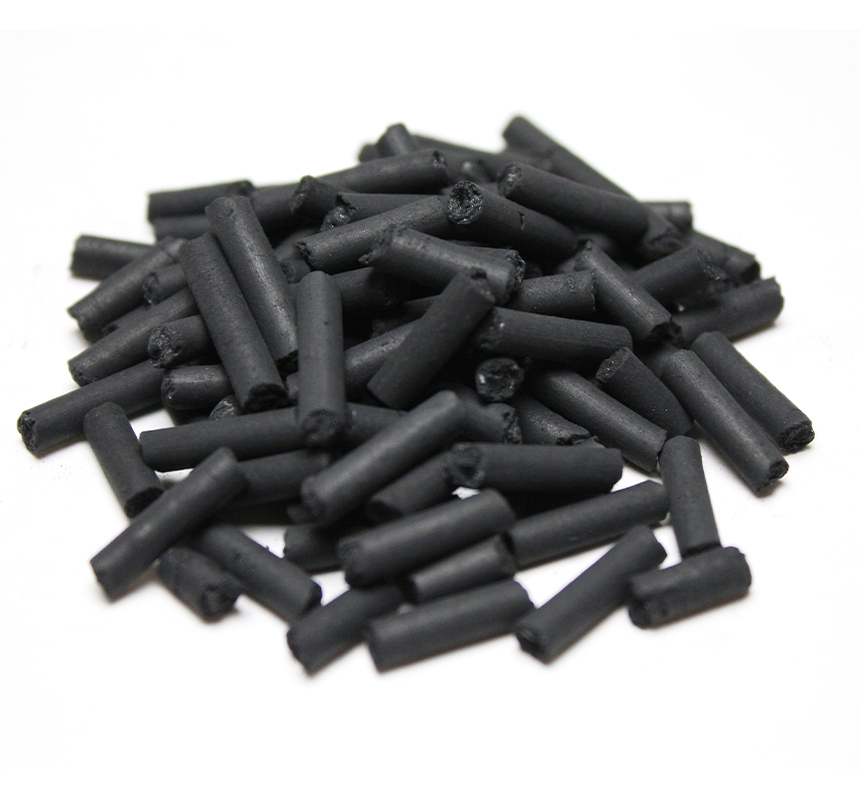
Safe and Simple Removal of Hazardous Hydrogen Sulfide Gas
SDG-11 is a sustainable functional carbon material for hydrogen sulfide control
made from biochar derived from woody biomass. It is combined with inorganic materials and catalytic
components, then processed into an easy-to-handle pellet form.
Its properties differ from highly
activated adsorbents such as conventional activated carbon. Instead, SDG-11 is designed as a
practical material that emphasizes usability and cost balance for sites requiring hydrogen sulfide
control, such as wastewater facilities, drainage treatment plants, underground pits, and enclosed
spaces.
Features
- Suitable for Hydrogen Sulfide Control
- Can be used for reducing hydrogen sulfide gas, helping improve working environments and support odor control measures. Performance depends on gas concentration and operating conditions, so prior evaluation is recommended.
- Designed for Humid Environments
- Developed for easier use under high-humidity conditions, making it suitable for manholes, underground pits, wastewater systems, and other damp locations.
- Cost-Effective Operation
- May be considered as an alternative or supplementary material to premium specialty adsorbents or activated carbon, depending on the application. Suitable for sites requiring regular replacement.
- Easy-to-Handle Pellet Form
- Pelletized granular form helps reduce dust generation and improves handling during filling, replacement, and transport. Suitable as packed media for equipment systems.
Main Applications
- Hydrogen sulfide control in sewer manholes and underground pits
- Odor control around wastewater treatment facilities and settling tanks
- Safety support for factory equipment and enclosed spaces
- Filling media for deodorization units and adsorption towers
Data material(PDF)

Actual performance depends on gas type, humidity, airflow, contact time, temperature, and installation design. Evaluation testing is recommended before commercial use.