
SDGs Pellet Carbon
for Underfloor Odor Control
- Item No.
- SDG-7
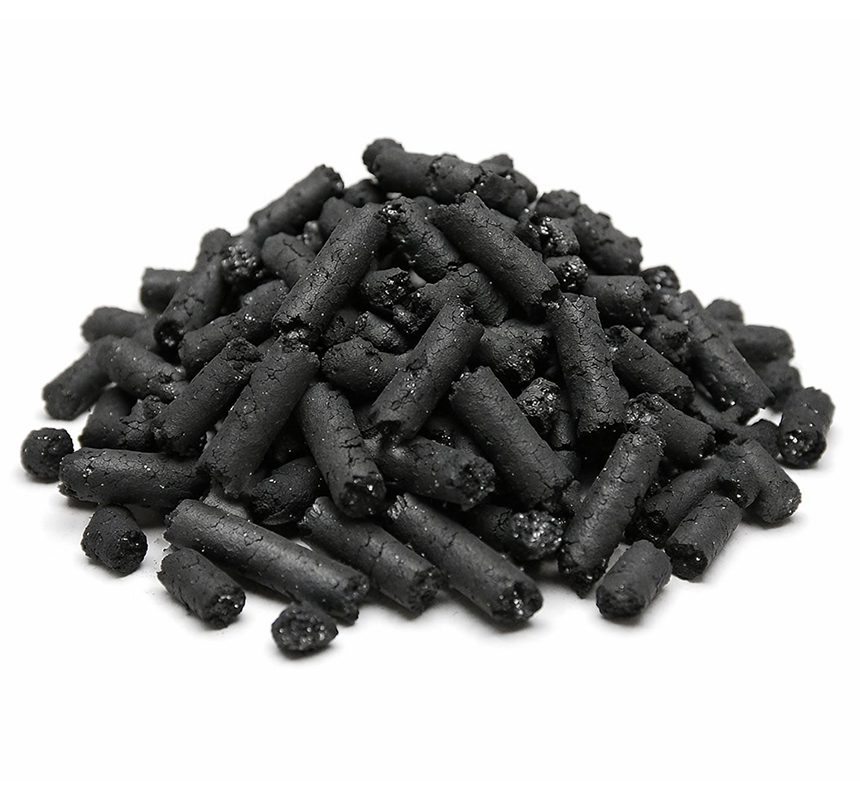
Adsorbs and Reduces Complex Residual Odors After Flooding and Underfloor Water Damage
After underfloor flooding caused by typhoons, heavy rainfall, or river flooding, unpleasant odors may remain even after cleaning and drying.
SDG-7 is a pellet-type underfloor adsorbent made from wood biomass-derived biochar blended with porous inorganic materials.
It adsorbs and reduces a wide range of residual odor-causing compounds in underfloor spaces and can be used as a “final odor-control treatment” in flood restoration work.
Why Do Odors Remain Even After Cleaning and Drying?
Floodwater can carry mud, sediment, organic matter, and wastewater into underfloor spaces.
Even after drainage and cleaning, small amounts of contamination may remain and generate unpleasant odors as they dry and decompose.
In addition, underfloor spaces are poorly ventilated and tend to retain moisture, so musty, muddy, decaying, sewage-like, and other odors may persist.
In flood restoration, it is important to remove mud and debris, clean the area thoroughly, allow it to dry completely, and then address any remaining odors.
Features
- Adsorbs and Reduces Complex Underfloor Odors
- Using the adsorption properties of biochar and porous inorganic materials, SDG-7 adsorbs and reduces a wide range of residual odor-causing compounds in underfloor spaces. Gas removal performance has been confirmed for compounds with different properties, including ammonia, hydrogen sulfide, methyl mercaptan, and acetic acid.
- Residual Odor Control + Humidity Regulation in One Material
- In addition to adsorbing odors, SDG-7 has moisture adsorption and desorption properties and can also be used as a humidity-regulating material to help stabilize underfloor humidity.
- Easy-to-Apply Pellet Form
- SDG-7 consists of 4 mm pellets with a bulk density of approximately 0.44 g/cc. Compared with powdered materials, it produces less dust and is easy to carry and apply.
- Low Combustibility for Underfloor Use
- MMade primarily from biochar and porous inorganic materials, SDG-7 is designed with consideration for long-term installation in underfloor spaces.
- Environmentally Conscious Material Utilizing Biochar
- SDG-7 makes effective use of wood biomass-derived biochar. By repurposing carbon material as a material for improving residential environments, it contributes to resource circulation and reduced environmental impact.
Gas Removal Test Results
| Target Gas | Initial Concentration | After 1 Hour | Removal Rate |
|---|---|---|---|
| Ammonia | 100 ppm | <1 ppm | ≥99% |
| Hydrogen Sulfide | 10 ppm | <1 ppm | ≥99% |
| Methyl Mercaptan | 17 ppm | <1 ppm | ≥99% |
| Trimethylamine | 70 ppm | 3.5 ppm | 95% |
| Acetic Acid | 50 ppm | <1 ppm | ≥99% |
| Toluene (VOC) | 50 ppm | <1 ppm | ≥99% |
| Formaldehyde | 5 ppm | <1 ppm | ≥99% |
SDG-7 has demonstrated gas removal performance against multiple gases with different properties. It is intended for use in controlling complex residual odors that may occur after underfloor flooding.
*The values shown are test results under specified test conditions and do not guarantee performance under actual use conditions.
Main Applications
- Residual odor control after flooding and underfloor water damage
- Control of musty, muddy, earthy, and stagnant odors in underfloor spaces
- Final treatment after flood restoration work
- Improvement of underfloor environments during renovation and remodeling
- Odor and humidity control in older and vacant houses
- General underfloor humidity and odor control in residential buildings
Contents & Application Coverage
Contents: Biochar and calcined porous inorganic materials
Net Weight: Approx. 15 kg (30 L) / bag
Standard Coverage: Approx. 1 tsubo (3.3 m²) per bag
Application Method
Application Method for Flood Restoration
Drain water → Remove mud and debris → Clean → Disinfect as required → Ventilate and dry thoroughly → Apply SDG-7
Data material(PDF)

Actual performance depends on gas type, humidity, airflow, contact time, temperature, and installation design. Evaluation testing is recommended before commercial use.